Public Toilets at Lake St Clair, TAS
4 toilet locations mapped at Lake St Clair — Australia's deepest natural freshwater lake and the southern finish of the Overland Track. Walkers emerge here after 6 days in the wilderness. The only toilet for the last 8km of the track is at Watersmeet. From the Visitor Centre at Cynthia Bay to the heritage walking tracks, every dunny in this World Heritage wilderness sorted.
Interactive Toilet Map
4 facilities available in Lake St Clair
Where Are You?
Lake St Clair is remote wilderness. The Visitor Centre at Cynthia Bay is the main hub. Beyond that, facilities are basic pit toilets in the bush. Plan accordingly.
At the Visitor Centre
Cynthia Bay Visitor Centre toilets
The main facilities. Flush toilets, accessible, baby change. Also cafe, information desk, and ferry bookings.
The Visitor Centre is where everyone starts (or finishes). Proper flush toilets, hot water, and baby change facilities. The cafe serves decent coffee and meals. This is your last chance for civilised facilities before heading into the bush.
Finishing the Overland Track
Watersmeet toilets
Where the Overland Track meets the lake. Pit toilet. The first 'civilisation' after 6 days walking.
Walkers finishing the Overland Track reach Watersmeet after 6 days and 65km. The pit toilet here is basic but welcome. From here it's about 5km along the lakeside path to the Visitor Centre, or catch the ferry from Narcissus (if pre-booked).
Walking Larmairremener tabelti
Larmairremener tabelti toilets
Aboriginal heritage walking trail. Pit toilet along the route.
The Larmairremener tabelti is an Aboriginal cultural walk around the southern end of the lake. The pit toilet is along this trail — accessible as a short walk from the Visitor Centre. Interpretive signs tell the palawa story of this place.
Lake shore day walks
Visitor Centre (start/finish there)
Several short walks depart from Cynthia Bay. Use the Visitor Centre toilet before and after.
Short walks (1-3 hours) around the lake shore all start and finish at Cynthia Bay. There are no toilet facilities on these shorter trails — use the Visitor Centre before heading out. The Platypus Bay walk (45 min return) is popular.
Camping at Cynthia Bay
Visitor Centre toilets nearby
The campground uses the Visitor Centre toilet block. Short walk from campsites.
The Lakeside campground at Cynthia Bay has powered and unpowered sites. The Visitor Centre toilet block services the campground — it's a short walk. Hot showers available. Book in peak season.
Driving through (Lyell Highway)
Derwent Bridge (20 min away)
The nearest highway stop is Derwent Bridge. Lake St Clair is a 5km detour off the Lyell Highway.
If you're driving the Lyell Highway between Hobart and Strahan, Lake St Clair is a 5km detour to Cynthia Bay. Definitely worth stopping — use the Visitor Centre toilets. Derwent Bridge (back on the highway) has fuel and a pub.
The Overland Track & Lake St Clair
Australia's most famous multi-day walk finishes here. 65km from Cradle Mountain to Lake St Clair over 5-6 days. Here's the toilet situation for the final stretch.
Last 8km Toilet Situation
Narcissus Hut: Pit toilet. Last facility before Lake St Clair. Most walkers catch the ferry from here ($50/person) to Cynthia Bay.
Walking option (8km): If walking the lakeside path from Narcissus to Cynthia Bay (3 hours), the only toilet is at Watersmeet (about halfway). Pit toilet.
Cynthia Bay: Proper flush toilets, showers, and cafe at the Visitor Centre. The promised land after 6 days of pit toilets.
Ferry Option (Most Popular)
- Pre-book ferry from Narcissus to Cynthia Bay
- $50 per person, 30 minutes across the lake
- Arrives directly at the Visitor Centre (toilets!)
- Must book ahead — limited capacity
Walking Option (8km, 3hr)
- Free — no ferry cost
- Beautiful flat walk along the lake shore
- Only toilet at Watersmeet (halfway, pit toilet)
- Can feel long after 6 days of walking
Things to Do at Lake St Clair
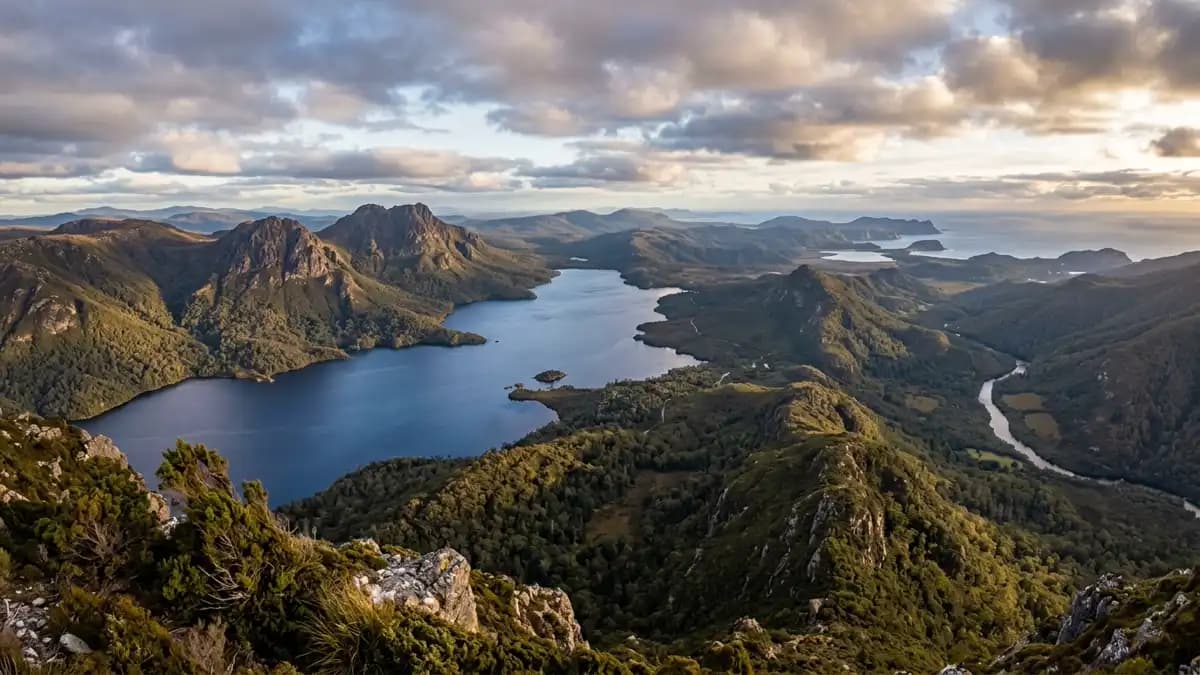
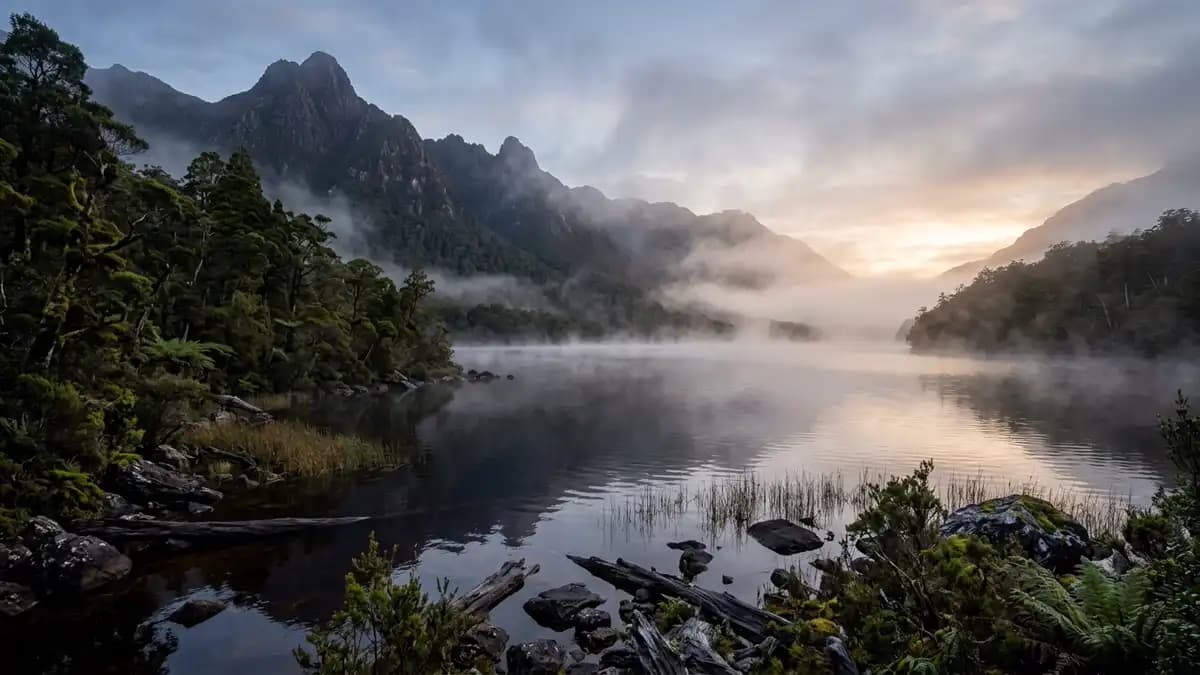
Australia's deepest lake in the Tasmanian Wilderness World Heritage Area. Ancient rainforest, glacial landscapes, and seriously remote wilderness. No permanent population — just the Visitor Centre and surrounding nature.
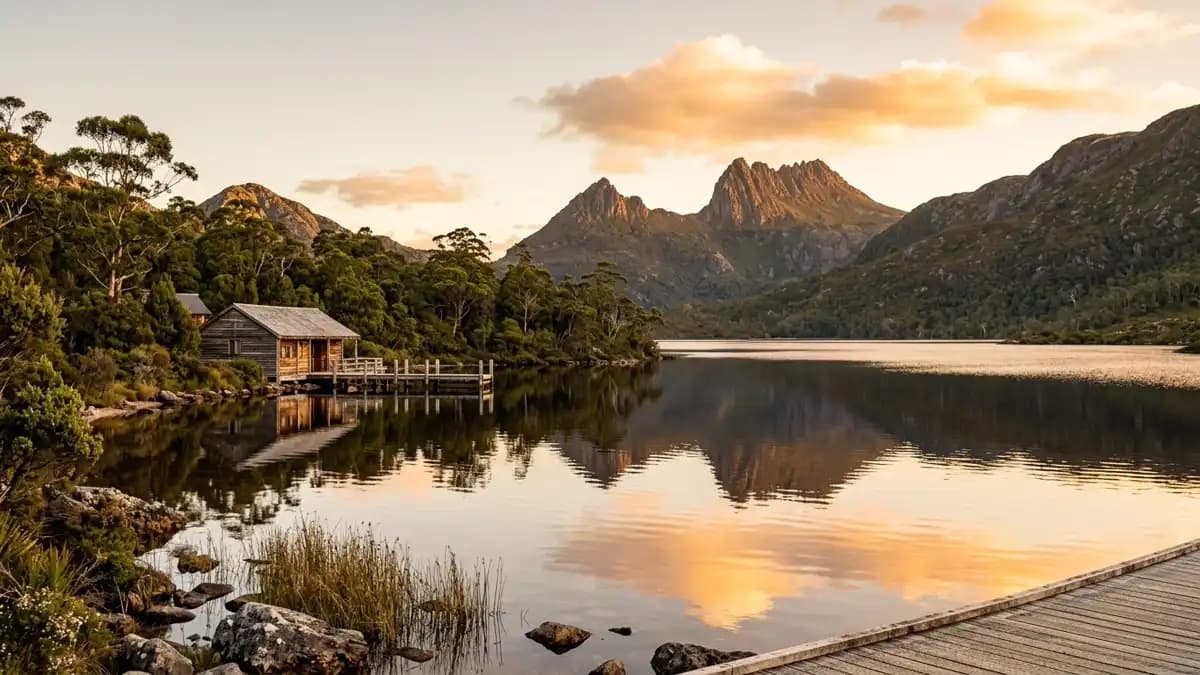
Overland Track (Finish)
Australia's premier multi-day walk finishes here. 65km from Cradle Mountain over 5-6 days. Bookings required Oct-May. One of the world's great walks.
Platypus Bay Walk (45 min)
Short, flat walk from Cynthia Bay. High chance of spotting platypus at dawn and dusk. One of Tasmania's easiest platypus viewing spots.
Lake Circuit Day Walk
Multiple day walks around the southern end of the lake. Watersmeet, Shadow Lake, and longer options. Stunning ancient rainforest and lake views.
Ferry Cruise
Take the ferry across the lake to Narcissus and back. Stunning mountain scenery from the water. $50 return. No walking required — just lake views.
Larmairremener tabelti
Aboriginal cultural heritage walk. Learn about the palawa people's 40,000+ year connection to this landscape. Interpretive signs. 1-2 hours.
Fishing
Brown and rainbow trout in the lake and river. Tasmanian fishing licence required. Shore fishing and fly fishing. Remote and peaceful.
Photography
World Heritage wilderness, mirror-still lake reflections, ancient rainforest. Early morning light is spectacular. One of Tasmania's most photogenic locations.
Stargazing
Zero light pollution. The Milky Way and Southern Cross are stunning here. Best on clear, moonless nights. Bring warm layers — it gets cold at 737m elevation.
Where to Stay at Lake St Clair
Limited accommodation at the lake itself. Most visitors stay at Derwent Bridge (20 min) or make it a day trip from Hobart (2.5 hours).
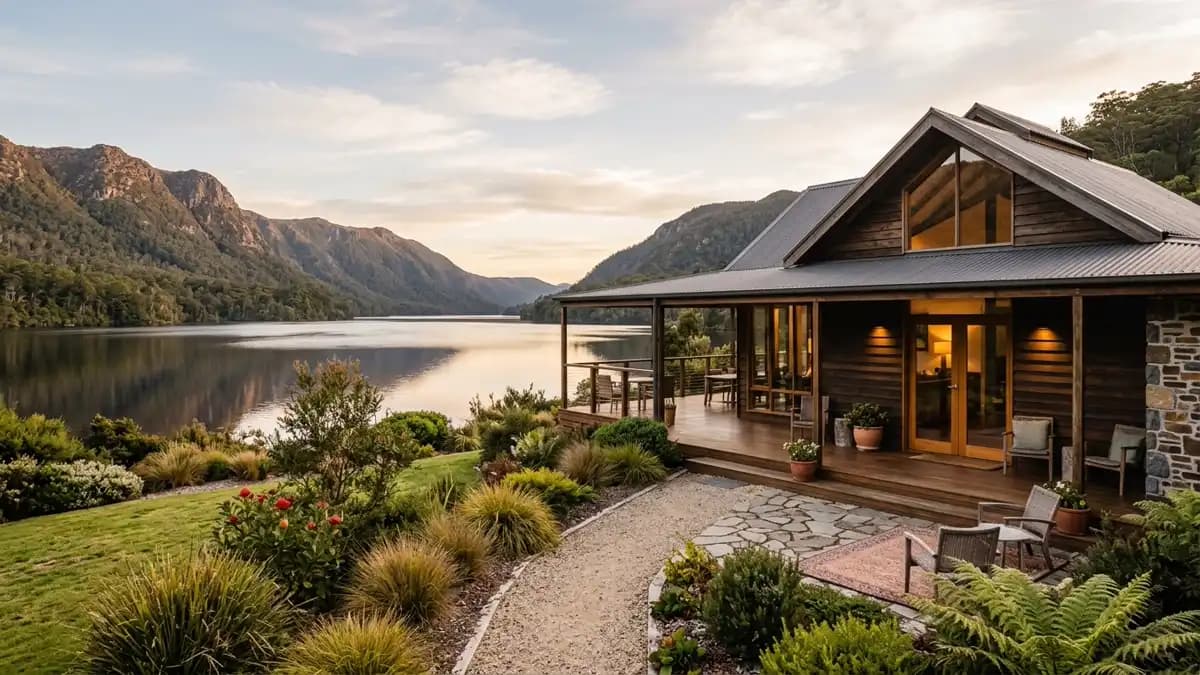
Pump House Point
Luxury wilderness accommodation on the lake. Converted heritage pump house. Stunning architecture and lake views. Premium pricing but an extraordinary experience.
Nearest public dunny: Visitor Centre (5 min drive).
Cynthia Bay Camping
Powered and unpowered sites at the lakeside campground. Basic but beautiful setting. Visitor Centre toilets and showers nearby. Book ahead in summer.
Nearest dunny: Visitor Centre toilet block (2-3 min walk).
Derwent Bridge (20 min)
Small highway settlement with pub, cabins, and the Wall in the Wilderness gallery. Basic but functional accommodation. Fuel available here.
Nearest dunny: Derwent Bridge facilities.
Best Time to Visit Lake St Clair
Alpine wilderness at 737m elevation. Weather changes rapidly. The Overland Track is seasonal but day visits are year-round.
Summer (Dec-Feb)
Warmest (8-22°C). Overland Track peak season. Longest days. Best for swimming (lake is still cold!). Book Overland months ahead. Busiest period.
Autumn (Mar-May)
Fagus (deciduous beech) turns gold — Tasmania's only autumn colour. Cooler (4-16°C). Overland Track until end of May. Stunning photography.
Winter (Jun-Aug)
Cold (0-8°C). Snow possible. Overland Track closed to bookings (experienced walkers only). Day walks still accessible. Very quiet. Dramatic scenery.
Spring (Sep-Nov)
Overland Track reopens October. Warming up (4-14°C). Wildflowers. Higher water levels from snowmelt. Waterfalls at their best. Fewer crowds than summer.
Getting to Lake St Clair
Drive
2.5 hours from Hobart via the Lyell Highway (A10). 4 hours from Launceston. Turn off at Derwent Bridge — Lake St Clair is 5km down a sealed side road. Fuel up at Derwent Bridge. National Park entry fee: $40/vehicle/day.
Overland Track Transfers
Bus transfers available from Lake St Clair back to Launceston or Hobart for Overland Track walkers. Pre-book with Tassielink or McDermotts. Seasonal service. Essential for walkers without their own transport at the finish.
Practical Info — What You Need to Know
Lake St Clair is remote wilderness. A few essentials for visitors.
National Park Fees
$40 per vehicle per day or $80 for a Holiday Pass (8 weeks). Annual All Parks Pass available. Pay at the Visitor Centre or online. Covers all Tasmanian national parks.
No Mobile Reception
No mobile phone coverage at Lake St Clair. Download maps and info before arrival. The Visitor Centre has a payphone. Let someone know your plans.
Fuel & Supplies
No fuel at Lake St Clair. Nearest fuel at Derwent Bridge (20 min). Basic supplies at the Visitor Centre cafe. Stock up in Hobart or Launceston before the drive.
Frequently Asked Questions
Are there toilets at Lake St Clair Visitor Centre?
Yes. The Lake St Clair Visitor Centre at Cynthia Bay has well-maintained public toilet facilities. These are the main toilets for the area and include accessible cubicles. Open during visitor centre hours (generally 8am-5pm, extended in summer). There's also a cafe and information desk.
Is there a toilet at the end of the Overland Track?
Yes. There is a toilet at Watersmeet, where the Overland Track meets the lakeside path near Narcissus Bay. This is the last toilet on the track for walkers finishing via the lake path (rather than catching the ferry). The Visitor Centre toilets at Cynthia Bay are the main end-of-walk facilities.
How deep is Lake St Clair?
Lake St Clair is Australia's deepest natural freshwater lake at 167 metres deep. It's also one of the clearest lakes in the world. The lake was carved by glaciers during the last ice age and sits at 737 metres elevation in the Tasmanian Wilderness World Heritage Area.
Can I drive to Lake St Clair?
Yes. Lake St Clair (Cynthia Bay) is accessible by sealed road from Derwent Bridge on the Lyell Highway. It's approximately 2.5 hours from Hobart or 4 hours from Launceston. The road is suitable for all vehicles. National Park entry fees apply ($40/vehicle/day or a parks pass).
Are there toilets along the Overland Track?
Yes, but they're pit toilets at hut locations along the 65km track. The last toilet before reaching Lake St Clair is at Narcissus Hut — approximately 8km from the Visitor Centre via the lakeside track. Walkers typically take the ferry from Narcissus to Cynthia Bay ($50 per person) to avoid the final flat walk.
Do I need to book the Overland Track?
Yes. The Overland Track requires a booking during peak season (1 October to 31 May). Maximum 36 walkers depart per day from Cradle Mountain. Book well in advance — popular dates sell out months ahead. Track fee is $200 per adult plus national park entry. The track finishes at Lake St Clair.
Nearby Areas
Lake St Clair is Australia's deepest natural freshwater lake (167m), located in the Cradle Mountain-Lake St Clair National Park within the Tasmanian Wilderness World Heritage Area. Elevation 737m. No permanent population. Southern terminus of the Overland Track. palawa country — the Aboriginal people have lived here for over 40,000 years.